

Hear from Our Customers
You’re not imagining it. That musty smell in the basement, the allergies that won’t quit, the stain on the ceiling you keep painting over—they’re all signs something’s growing where you can’t see it.
Mold doesn’t announce itself. It hides behind drywall, under flooring, inside HVAC ducts. By the time you see it, it’s already been spreading. And those DIY test kits from the hardware store? They’re not telling you the full story.
Professional mold testing uses air sampling, surface testing, and moisture detection to find contamination you’d never catch on your own. You get lab results that identify the exact type of mold, how much is present, and whether it’s a health risk. That’s the difference between wondering if you have a problem and knowing exactly what you’re dealing with.
Once you know what’s there, you can make informed decisions. Not based on fear or sales pressure, but on data.
We’ve been serving Bucks County homeowners for years, and we’ve seen what happens when mold goes undetected. Furlong’s humid summers and damp winters create perfect conditions for growth, especially in older homes with basements, crawl spaces, and attics that trap moisture.
We’re not here to scare you into unnecessary work. We’re here to test, document, and give you honest answers. If you don’t need remediation, we’ll tell you. If you do, we’ll explain why and what it involves.
Our team uses the same equipment and protocols recommended by the EPA and industry hygienists. We’ve tested hundreds of homes across Furlong, Doylestown, and surrounding areas, and we know what to look for in properties like yours.
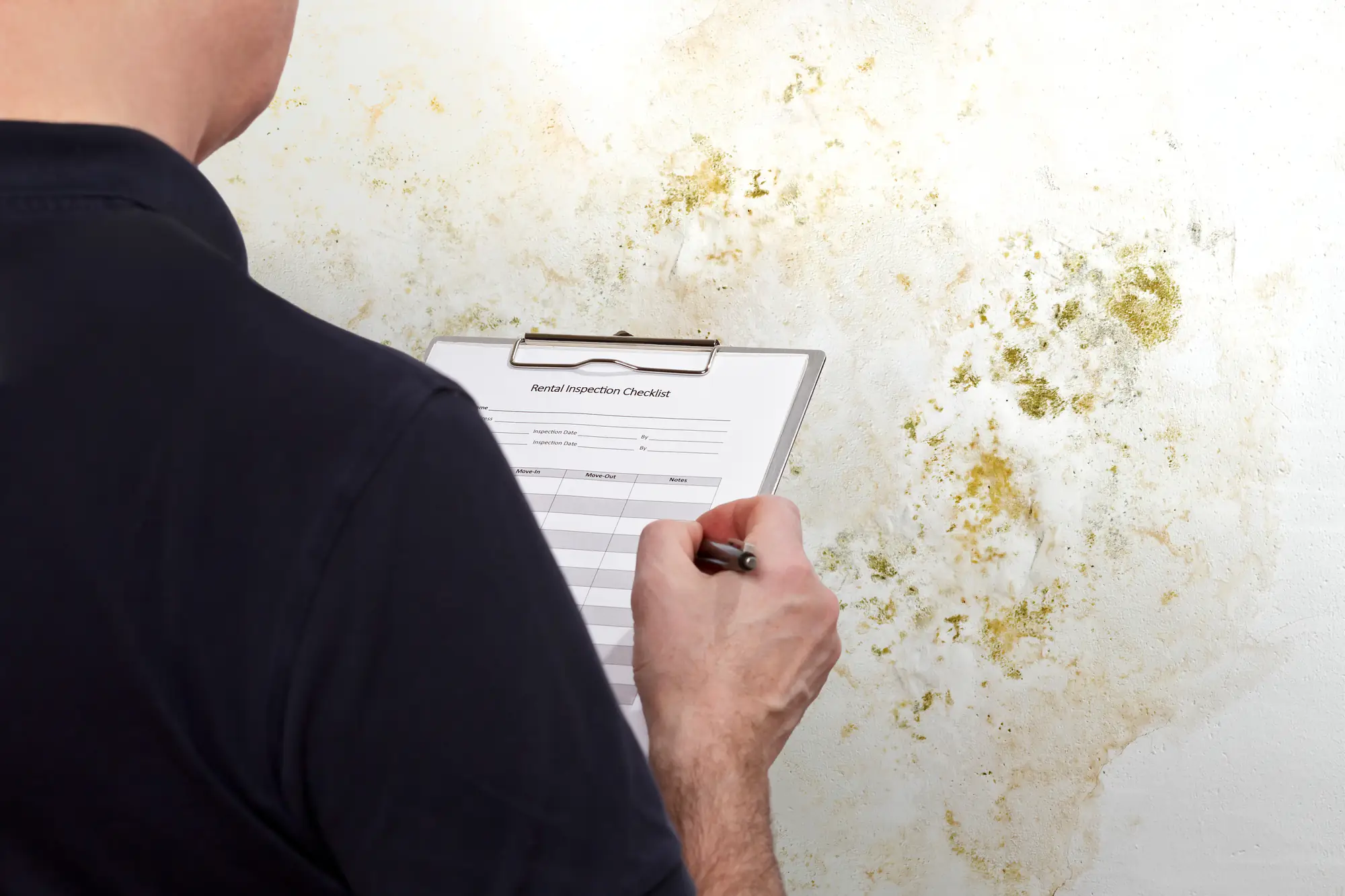
First, we walk through your home and talk about what you’ve noticed—odors, water damage, health symptoms, visible growth. We’re looking for moisture sources, ventilation issues, and areas where mold typically hides.
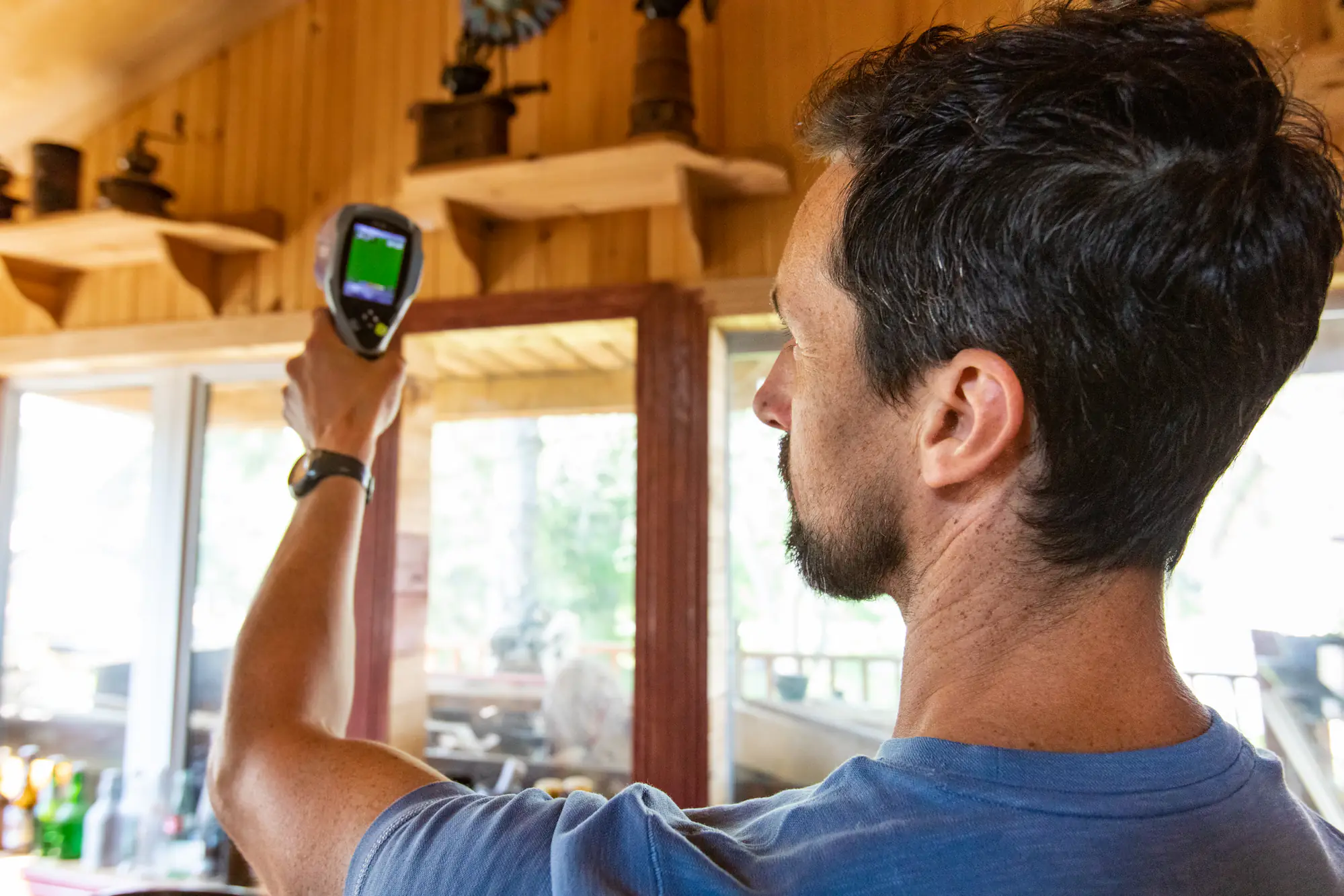
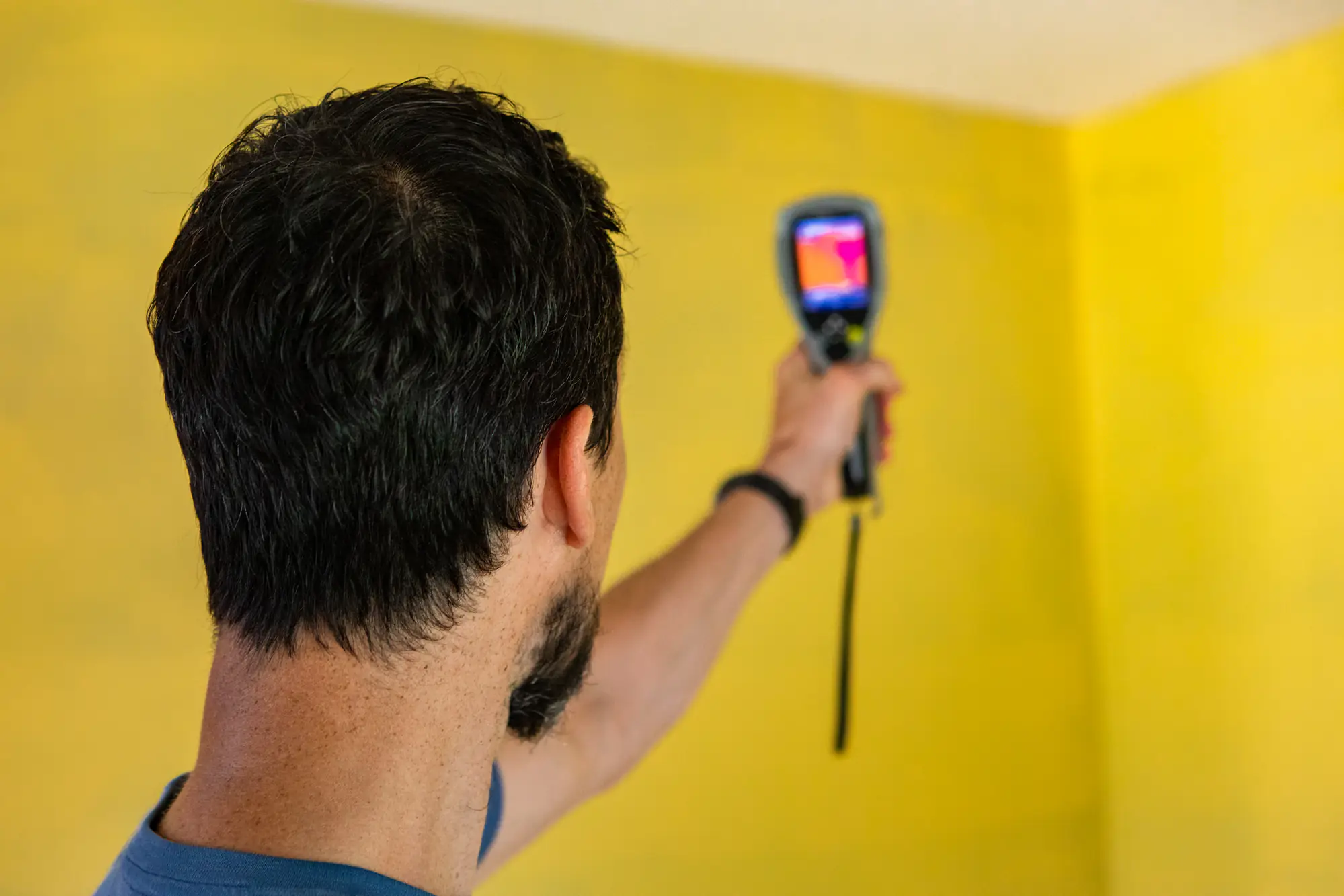
Then we take samples. Air sampling captures airborne spores you’re breathing but can’t see. Surface sampling tests visible stains or suspected growth. We use moisture meters and thermal imaging to find hidden water intrusion behind walls, under floors, and in ceilings.
Samples go to an independent lab for analysis. You get a report that identifies mold types, spore counts, and whether levels exceed safe indoor standards. We review the results with you, explain what they mean, and recommend next steps if needed.
If remediation is necessary, we’ll outline the scope and cost. If it’s not, we’ll give you prevention tips to keep it that way. The whole process is straightforward, and you’ll know more about your home’s air quality than most homeowners ever do.
Ready to get started?
Every mold inspection includes a visual assessment of your property, moisture detection using calibrated meters, and thermal imaging to locate hidden water damage. We test the areas you’re concerned about and the places most homeowners overlook—attics, crawl spaces, HVAC systems, and behind appliances.
Air sampling measures spore levels throughout your home, including outdoor samples for comparison. Surface sampling confirms suspected growth and identifies the species. All samples are analyzed by certified labs following AIHA and ACGIH standards.
You receive a detailed report with lab results, photos, moisture readings, and our professional recommendations. If mold is present, we explain the type, the likely moisture source, and what remediation involves. If levels are normal, you get peace of mind and documentation you can use for real estate transactions or insurance purposes.
Furlong homeowners deal with specific challenges—older construction, high water tables, and humid conditions that make basements and crawl spaces vulnerable. We account for those factors in every inspection, and we’ve seen how quickly minor moisture issues turn into bigger problems if ignored. Testing gives you the information you need before that happens.
If you’re smelling musty odors that won’t go away, seeing visible stains or discoloration, dealing with persistent allergy symptoms that improve when you leave the house, or if you’ve had recent water damage, you should test. Even if you don’t see mold, it can grow behind walls, under flooring, and inside ductwork where moisture gets trapped.
Furlong’s climate makes basements and attics especially vulnerable. Humid summers and poor ventilation create conditions where mold starts growing within 24 to 48 hours after water exposure. If you’ve had a leak, flooding, or ongoing condensation issues, testing confirms whether remediation is needed.
Real estate transactions are another common reason. Buyers want documentation before closing, and sellers want to address issues before they tank a deal. Testing gives both parties clear answers and prevents surprises during inspections.
An inspection is the visual walkthrough—we look for signs of growth, moisture problems, and conditions that support mold. A test involves taking samples and sending them to a lab for analysis. Most professional mold assessments include both.
The inspection identifies problem areas and likely sources of moisture. The testing confirms what’s growing, how much is present, and whether it’s a health concern. You need both to get the full picture.
Some companies will try to sell you remediation without testing. That’s a red flag. You should know what you’re dealing with before anyone starts tearing out drywall. Lab results give you leverage with contractors, insurance companies, and real estate agents. They also confirm that remediation actually worked when you retest afterward.
Not really. Store-bought kits can tell you if mold is present, but they can’t tell you how much, what type, or whether it’s a problem. They also can’t find hidden growth or identify the moisture source that’s causing it.
Most DIY kits test surfaces, not air quality. That means you’re only sampling what you can see and reach. Professional air sampling captures spores throughout your home, including the ones you’re breathing but can’t detect. It also measures concentrations and compares indoor levels to outdoor baselines.
If you’re trying to save money, a DIY kit might seem appealing. But if the results come back positive, you’ll need a professional assessment anyway. And if they come back negative but you still have symptoms or odors, you’re back to square one. Professional testing costs more upfront, but it gives you answers you can actually use.
The on-site inspection and sampling usually takes one to two hours, depending on the size of your home and how many areas we’re testing. We’re thorough, but we’re not tearing your house apart. Most of the time is spent taking air samples, using moisture meters, and documenting conditions.
Lab analysis takes three to five business days. Once we get results, we’ll schedule a call or meeting to review them with you. If you need results faster for a real estate closing or insurance claim, some labs offer expedited processing for an additional fee.
After that, you’ll have everything you need to decide on next steps. If remediation is necessary, we can usually start within a few days. If it’s not, you’ll have documentation and prevention recommendations to keep your home safe.
Most residential mold testing runs between $300 and $600, depending on the size of your home and how many samples you need. Air sampling, surface sampling, and lab analysis are typically included. Larger homes or properties with multiple problem areas cost more because they require additional samples.
Some companies offer free inspections, then upsell you on remediation whether you need it or not. We charge for testing because it’s a legitimate service that involves lab work, professional equipment, and certified analysis. You’re paying for accurate information, not a sales pitch.
If you’re dealing with insurance claims or real estate transactions, testing costs are often reimbursable or negotiable. Either way, it’s a small investment compared to the cost of ignoring a mold problem. Homes with documented mold issues can lose 20% to 37% of their value. Testing protects that investment.
If lab results confirm mold growth above safe levels, we’ll walk you through what that means. Not all mold is dangerous, and not all mold requires full remediation. It depends on the type, the concentration, and where it’s located.
We’ll identify the moisture source—whether it’s a leak, condensation, poor ventilation, or drainage issues—and explain what needs to happen to fix it. Remediation might involve containment, removal of affected materials, HEPA filtration, and antimicrobial treatment. We’ll give you a detailed scope and cost estimate before any work starts.
After remediation, we retest to confirm spore levels are back to normal. That’s the only way to verify the job was done right. You’ll get documentation showing before-and-after results, which is critical for insurance claims, home sales, and your own peace of mind.
Other Services we provide in Furlong